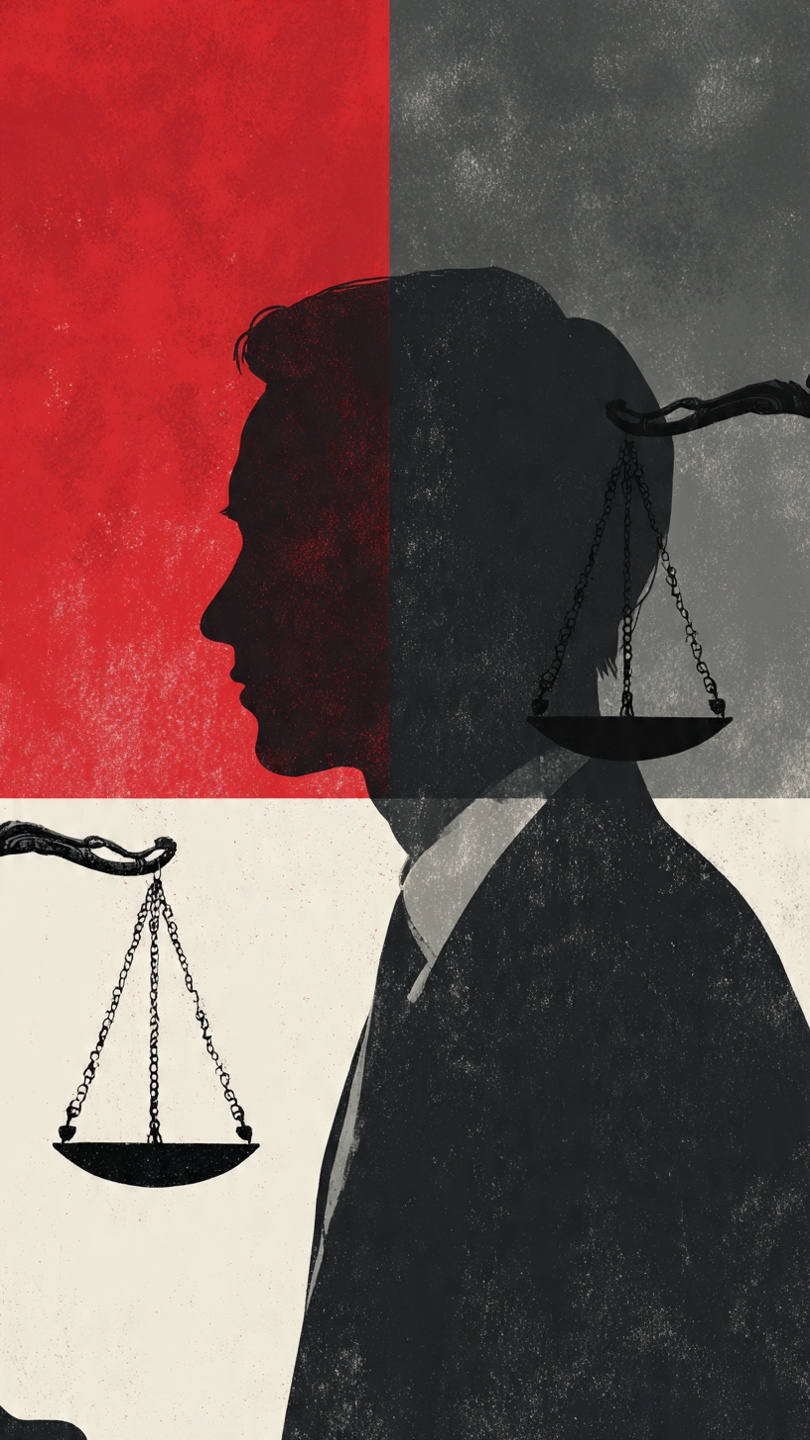
In public discourse, the term “mafia” is often used to describe informal networks that are allegedly connected to political parties.
The common narrative goes like this:
1. PARTY-AFFILIATED “FREELANCE” NETWORKS
Claim: Some people describe “mafia” as individuals or groups who work freelance with political parties. They are not always official party cadres, but they move money, mobilize masses, and secure projects.
Why the term appears: Because the relationship is informal and transactional.
2. MUTUALLY BENEFICIAL LAWS
Claim: The argument is that certain regulations, permits, and budgets are designed to be mutually beneficial between business actors, officials, and party networks.
Example issues often cited by watchdog groups:
– Project tenders that go to the same circles
– Licensing in mining, land, and energy
– Use of state budget / APBN & APBD for political machinery
3. “THE PARTY’S MONEY MACHINE”
Claim: The phrase “without mafia, a small party cannot become a big party” comes from the idea that political parties need large funding to campaign, do logistics, and win seats. Watchdogs like ICW and KPK have repeatedly flagged political financing as a vulnerability for corruption.
Reality: Legal party funding in Indonesia comes from: state budget, donations, and membership fees. Illegal funding is what gets labeled “mafia money” in the media.
4. “ONLY WHEN SITTING IN THE RULER’S SEAT”
Claim: The narrative is that access to power = access to resources. That’s why competition for executive and legislative seats is so intense. Once in power, the network can allegedly influence policy and projects.
—
WHAT THE DATA + WATCHDOGS SAY
1. KPK: 2014-2025, hundreds of regional heads, legislators, and party officials were named suspects in corruption cases. Many cases involved procurement and licensing.
2. ICW: Calls it “political corruption” and “state capture” — when policy is influenced by narrow business-political interests.
3. Academics: Use terms like _oligarchy, cartel parties, patronage networks_ instead of “mafia” because “mafia” has no legal definition.
IMPORTANT
“Alleged” is the key word. In a legal system, someone is innocent until proven guilty in court. The term “mafia” is a public label, not a legal charge.
—
Next:
“The Political ‘Mafia’ Narrative in Indonesia: Networks, Money, and Power”`