Jakarta, +62 News — Two decades after Georgia’s Rose Revolution, the country’s police force is still cited as the fastest example of institutional overhaul in the post-Soviet region. With Indonesia now debating bureaucratic reform, public trust, and anti-corruption measures, the question arises: what can Jakarta learn from Tbilisi?
1. THE STARTING POINT: TWO BROKEN SYSTEMS
Georgia Before 2003
Before the Rose Revolution, Georgia’s police were underpaid, rife with street-level bribery, and controlled by organized crime and local politicians. The central state had little authority. Public trust was near zero.
Indonesia Today
Indonesia faces similar structural challenges. While not identical, analysts point to issues of political patronage in recruitment, uneven salaries across regions, lack of transparency in operations, and public skepticism toward law enforcement. The central challenge is the same: how to separate police from politics and vested interests.
2. THE GEORGIAN MODEL: “TEAR DOWN AND REBUILD” 2004-2006
When President Mikheil Saakashvili took office after the 2003 Rose Revolution, his government implemented what researchers call a “radical reset”.
Mass Dismissal
The government dismissed 100% of uniformed police and dissolved the Soviet-era security ministry. The approach was simple: “if the building is rotten, tear it down”.
Rebuild From Zero
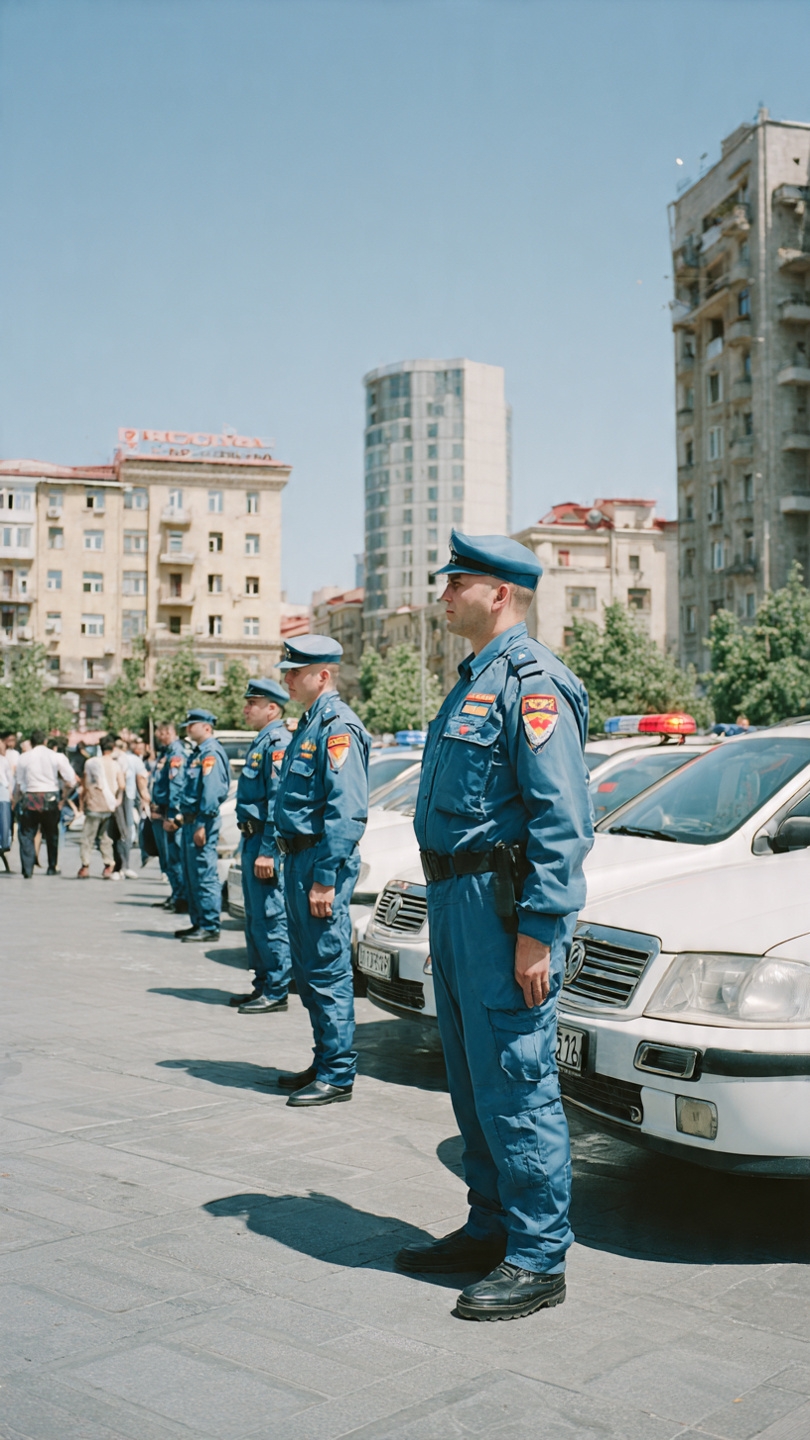
New competitive recruitment was introduced. Salaries were raised dramatically to remove the incentive for bribes. New training, Western-style uniforms, and patrol vehicles were rolled out.
Centralized Funding
Wages were paid centrally to cut local patronage. The state re-established political and economic control and eliminated the influence of organized crime.
Seizing Political Momentum
Reforms moved fast because they capitalized on strong public support after the revolution. The strategy was to “think boldly, act quickly and fix mistakes as they arise”.
3. THE RESULTS IN GEORGIA
Successes:
– Street corruption nearly eliminated — Georgia became one of the least corrupt countries in the region.
– Public trust increased — The new force was described as the most disciplined and service-oriented in the post-Soviet region.
– Crime rates dropped sharply.
Criticisms:
– Over-centralization — Police remained under tight control of the Interior Ministry, raising risks of political use.
– Human rights concerns — In the push to get tough on crime, some officers violated citizens’ rights.
– Weak oversight — Limited mechanisms for internal, legislative, or judicial accountability.
4. COMPARISON: WHAT WOULD THIS LOOK LIKE IN INDONESIA?
*Aspect* *Georgia 2004* *Indonesia 2026* *Key Difference*
Political Moment Post-Revolution, high public support Democratic, but incremental reform Georgia had a “window” for radical action
Personnel 100% of uniformed police dismissed Gradual retirement, merit system Indonesia must avoid mass layoffs that destabilize
Salary Raised 10-20x with donor funding Ongoing adjustments, still regional gaps Funding is the biggest hurdle
Recruitment Competitive, zero patronage CPNS system, but still allegations of “titipan” Need stronger transparency and auditing
Oversight Weak, led to new risks Kompolnas, Ombudsman, DPR exist but need power Indonesia has institutions, needs enforcement
5. KEY LESSONS FOR INDONESIA
Experts studying Georgia highlight 4 takeaways:
1. Political Will: Reform requires a new elite genuinely committed to cutting low-level corruption.
2. Funding: You cannot ask police to be clean with low pay. Major budget reallocation is required.
3. Speed and Symbolism: New uniforms, cars, and stations changed public perception overnight.
4. The Oversight Trap*: A “clean police without accountability can become a tool of power. Independent oversight must be built in from day one.
Analysts conclude that Georgia proves a police revolution _can_ happen without bloodshed, but it requires total action, fast execution, funding, and public legitimacy.
For Indonesia, the path is unlikely to be “fire everyone.” Instead, the Georgian lesson is about breaking the chain: `Patronage → Low Pay → Corruption → Impunity`.
EXPERT QUOTE
“Police reform in Georgia was dependent on state building and a governing elite with the capacity and drive to tackle corruption”. The same formula applies anywhere: capacity + will + money + public support.
—
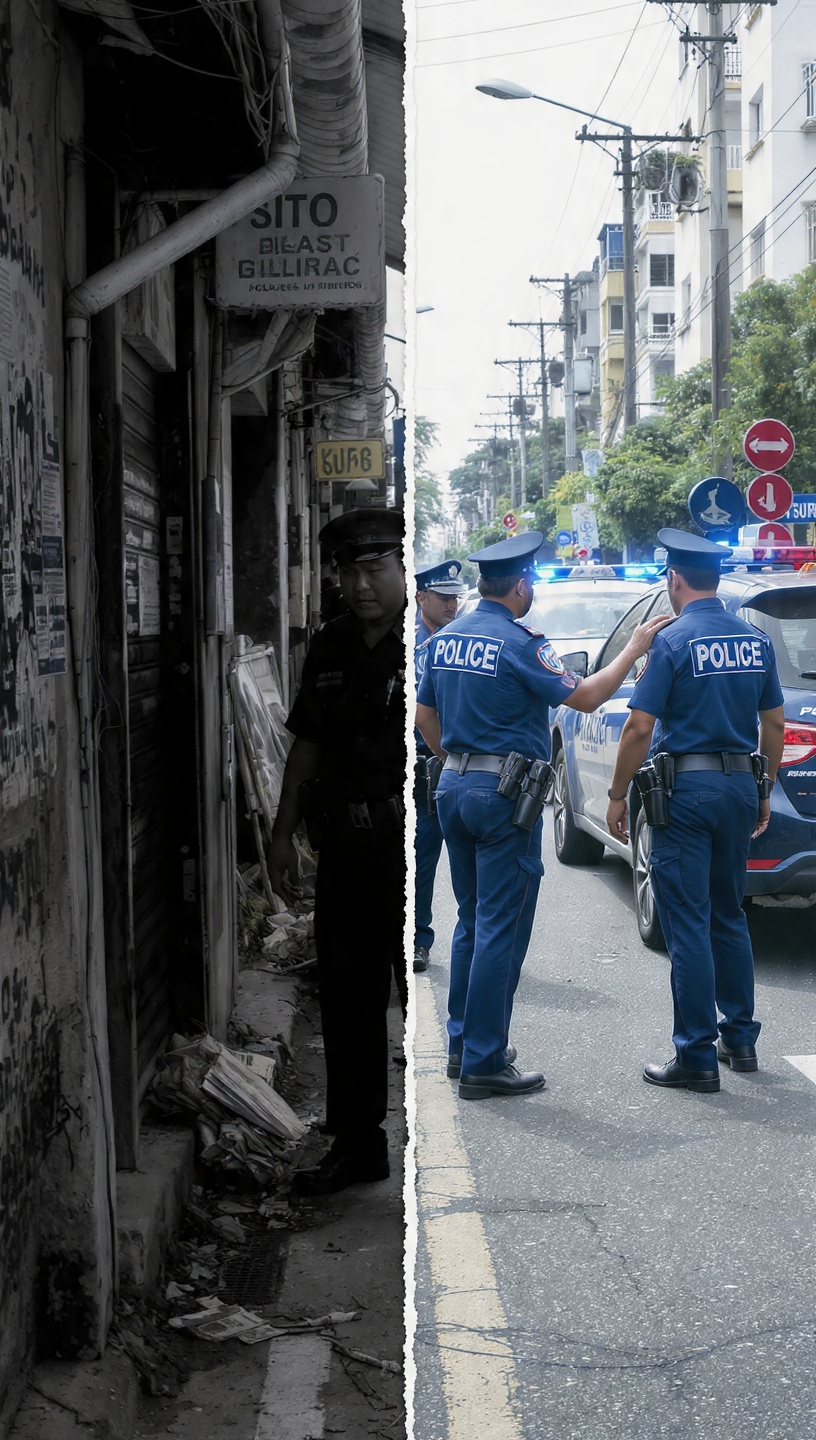
Photo Illustration:
Split-screen comparison of corrupt police vs reformed police (image unavailable)
*Caption*: _Left: Patronage and bribery. Right: Georgia’s post-2004 police reform with new uniforms and public service focus._
Alt text: `Comparison of police reform: Georgia’s radical reset vs systemic challenges in other countries`
Tags: `#PoliceReform #Georgia #Indonesia #AntiCorruption #InstitutionalReform #62News #RoseRevolution`