Jakarta, +62 News — Two decades after the 2003 Rose Revolution, Georgia’s radical police reform remains one of the fastest and most cited examples of non-violent institutional overhaul in the post-Soviet world.
Before 2003, Georgia’s police were widely viewed as a symbol of state failure. Officers were underpaid, street-level bribery was routine, and local units were controlled by organized crime groups and regional politicians rather than the central government.
THE RADICAL RESET: 2004-2006
When President Mikheil Saakashvili took office after the Rose Revolution, his government launched a full reset of the police force.
1. Mass Dismissal
The new government dismissed 100% of uniformed police officers and dissolved the Soviet-era security ministry. The logic, according to reform architects: “if the building is rotten, tear it down and start over.”
2. Rebuild From Zero
Police recruitment became competitive and transparent. Salaries were increased dramatically to reduce temptation for bribes. New training, Western-style uniforms, and new patrol vehicles were introduced.
3. Centralized Control
Wages were paid centrally to cut off patronage by local commanders. The state re-established political and economic control over police and eliminated the influence of organized crime.
4. Seizing the Moment
Reforms moved fast because they capitalized on strong public support after the revolution. The strategy was to “think boldly, act quickly and fix mistakes as they arise”.
THE RESULTS
Successes:
– Street corruption nearly eliminated — Georgia became one of the least corrupt countries in the region.
– Public trust increased — The new force became described as the most disciplined and service-oriented in the post-Soviet region.
– Crime rates dropped sharply.
Criticisms:
– Over-centralization — Police remained under tight control of the Interior Ministry, raising risks of political use.
– Human rights concerns — In the push to get tough on crime, some officers violated citizens’ rights.
– Weak oversight — Limited mechanisms for internal, legislative, or judicial accountability.
KEY LESSONS
Experts note 4 factors behind Georgia’s model:
1. A new elite with the drive to tackle low-level corruption
2. Radical political will to remove old personnel
3. Major funding for higher salaries, including foreign donors
4. The risk that a “clean” but unaccountable police can become a tool of the new rulers
Analysts conclude that Georgia shows a police revolution _can_ happen without bloodshed, but it requires total action, fast execution, funding, and public legitimacy.
—
Photo Illustration Suggestion:
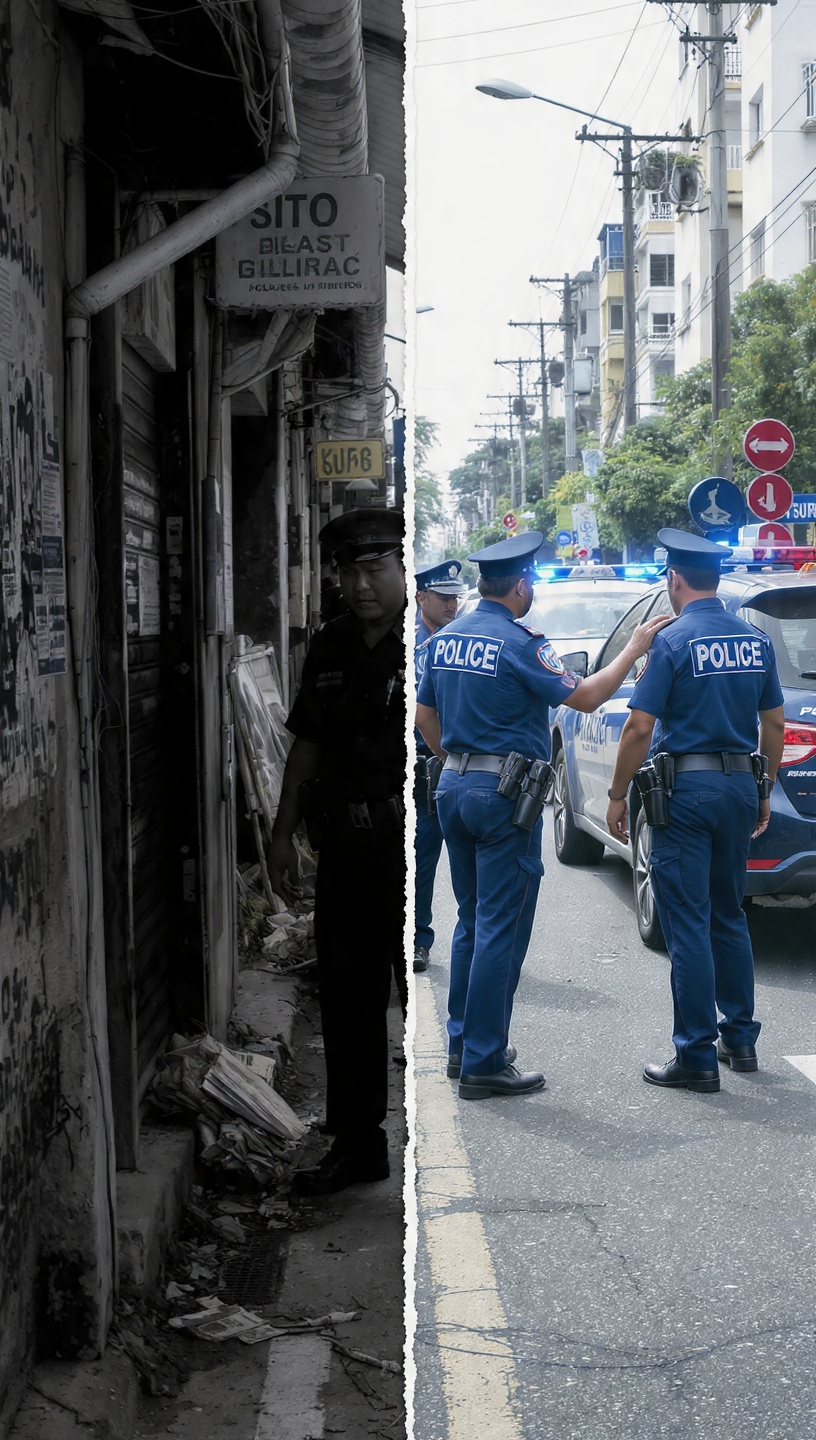
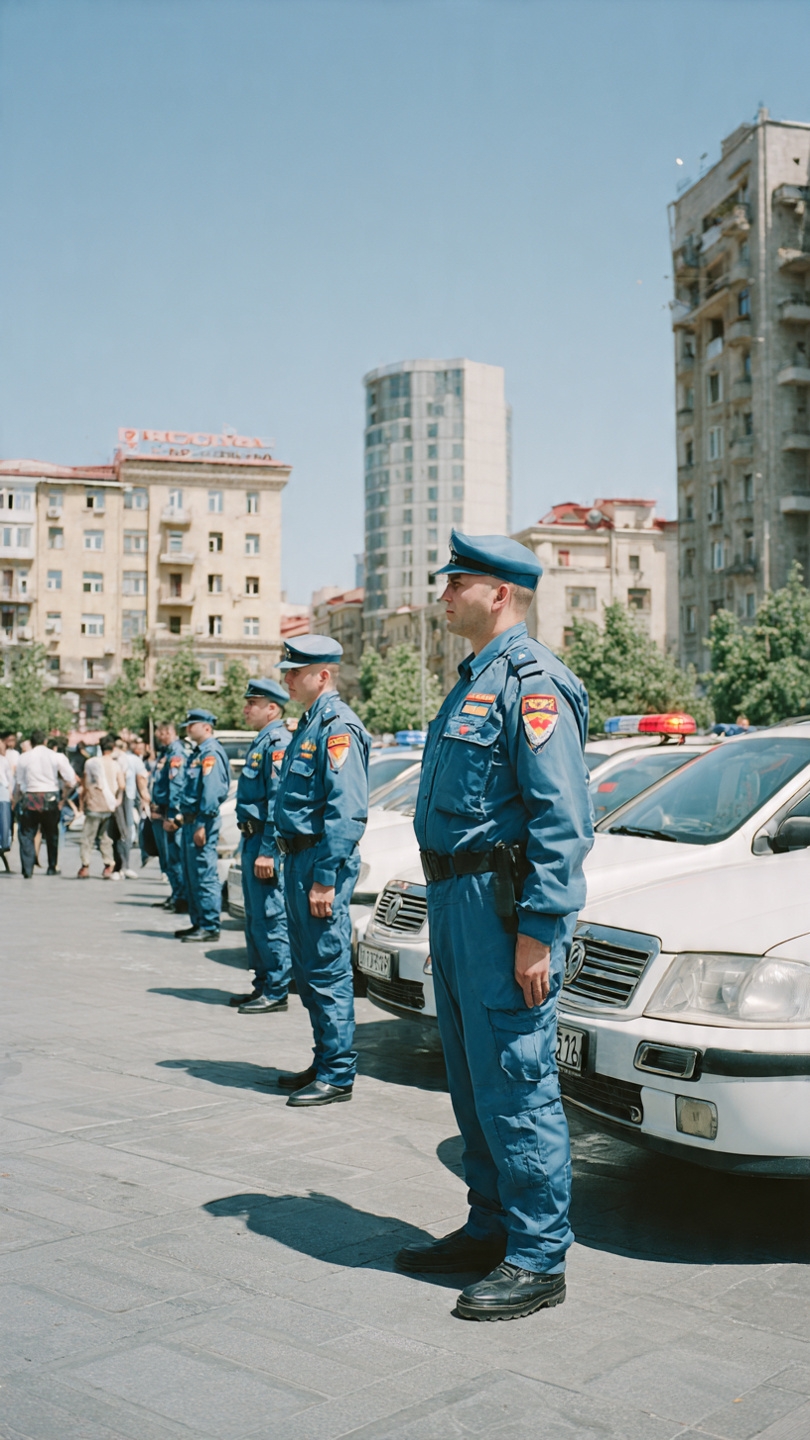
Caption: New Georgian police officers on patrol in Tbilisi after 2004 reforms
Visual Idea: Clean-cut officers in new blue uniforms next to new patrol cars, with citizens in background. Bright, orderly, “service-oriented” tone to contrast with pre-2003 corruption image.
Alt text: `Georgian police reform after Rose Revolution 2004 – new recruitment and higher salaries`
Tags : #Georgia #PoliceReform #RoseRevolution #AntiCorruption #InstitutionalReform #62News