+62 News Business | Jakarta | September 6, 2026
—
KEY HIGHLIGHTS
Indonesia’s economy continues to show resilience in 2026, driven by domestic demand, infrastructure investment, and a rebound in trade. Southeast Asia’s largest economy posted 5.29% year-on-year growth in Q2 2026 and swung back to a trade surplus in July.
1. GDP GROWTH REMAINS SOLID DESPITE GLOBAL PRESSURE
– Q2 2026 Growth: 5.29% y-on-y. Q-to-Q growth was 3.73%
– H1 2026 Growth: 5.45% compared to H1 2025
– Fastest growing sectors Q2: Electricity & Gas at 10.81%, Agriculture at 12.26% q-to-q
– Fastest growing expenditure: General Government Consumption at 15.97% y-on-y
– Java Island still dominates with 56.47% contribution and 5.65% growth
The World Bank projects growth at 5.0% for 2026, while Bank Indonesia sees 5.33% and expects it could reach 5.4% if fiscal spending accelerates.
President Prabowo has set a target to reach 8% growth by 2029.
2. TRADE SURPLUS RETURNS IN JULY
After months of deficit, Indonesia posted a trade surplus of $121.9 million in July 2026.
– Exports: $26.22 billion, up 6.05% y-on-y, beating expectations of 3.36%
– Imports: $26.09 billion, up 27.02% y-on-y
– Jan-July cumulative surplus: $3.70 billion
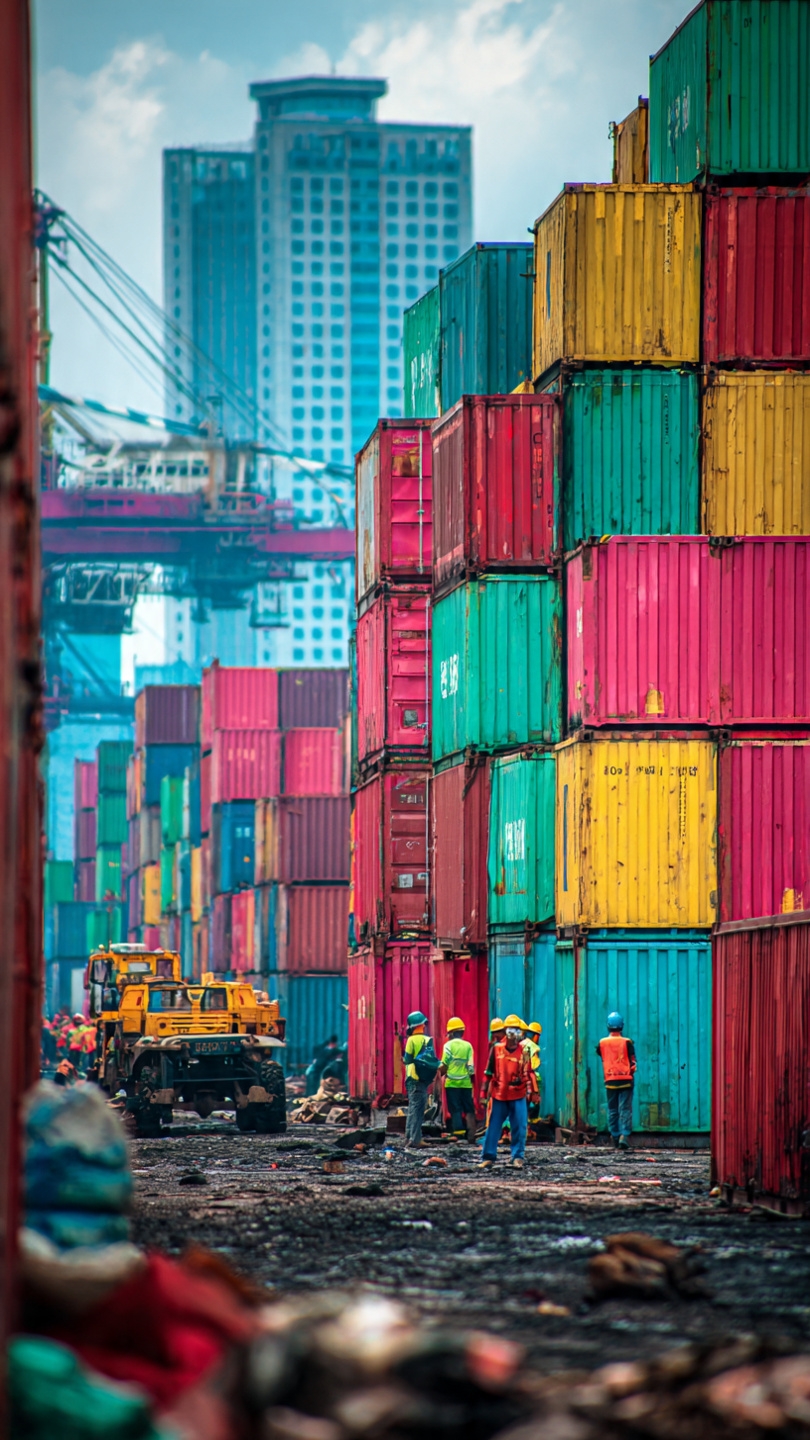
Drivers: Stronger shipments of mineral fuels, iron & steel, machinery, electrical equipment, plus basic chemicals, refined nickel and aluminium.
Economists warn pressure may continue in H2 as import growth outpaces exports. Coal and palm oil remain resilient, while nickel faces oversupply.
3. INVESTMENT & LOGISTICS SECTOR BOOM
Global confidence in Indonesia’s long-term growth is rising despite short-term volatility.
Major Deal: US-based I Squared Capital will acquire Indonesian logistics and cold-storage company Cella.
– Plans to expand warehouse/cold storage space 6x to 1.5 million sqm from 231,000 sqm
– Cella operates 5 facilities in Greater Jakarta and Surabaya, nearly fully occupied
– Target cities for expansion: Surabaya, Medan
I Squared said the investment is based on “Indonesia’s expanding middle class, rising consumption and growing need for modern logistics”.
4. HOUSEHOLD & GOVERNMENT SPENDING SUPPORT GROWTH
– Household spending grew 5.06% in Q2, supported by transport and hotels during school holidays
– Investment growth accelerated to 6.87% in Q2, fastest in a year
– Construction recorded strongest growth in almost 2 years, supported by infrastructure and Prabowo’s village cooperative programme
– Government allocated Rp381.3 trillion ($21.2 billion) for energy subsidies to shield households
President Prabowo credited flagship programs like free meals for 60+ million recipients for boosting consumption and farmer income.
5. CHALLENGES AHEAD
– Inflation: Picked up to 3.19% in August, within BI’s 1.5%-3.5% target
– Fiscal pressure: Rising cost of fuel subsidies and debt-servicing due to rupiah depreciation
– External risks: Uneven commodity demand, US trade policy changes, and supply-chain disruptions
– Manufacturing: PMI showed input cost inflation at 4-year high in April
The World Bank stresses the need for productivity reforms, trade facilitation, and better targeting of subsidies to create more jobs.
—
OUTLOOK
Despite global uncertainty, Indonesia’s economy remains anchored by strong domestic demand and government spending. Key growth engines for the rest of 2026: logistics, manufacturing, infrastructure, and downstream industries like nickel and aluminium.
Analysts say the government and Bank Indonesia will need to “strike a delicate balance between supporting growth and maintaining macroeconomic stability”.
TAGS: #IndonesiaEconomy #GDP #Trade #Investment #Logistics #Prabowo #62News