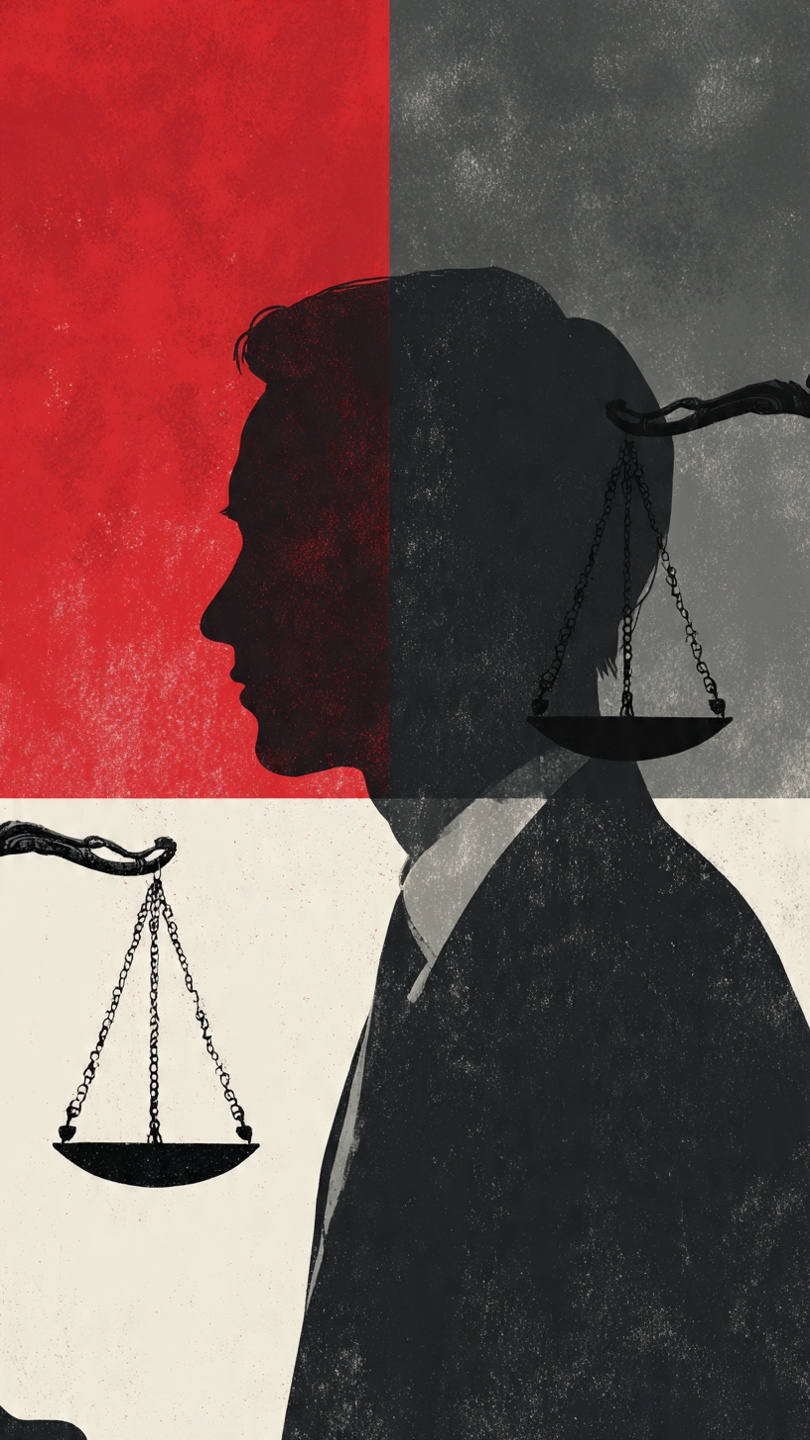
+62 News, De Eereste Protestante Organisatie van Kristenen (Depok), — Legal experts and civil society organizations have raised concerns regarding the use of criminal law to address criticism and dissent, warning that such practices may impact freedom of expression and public trust in legal institutions.
The issue gained renewed attention following public debate over the phrase “Criminalization is a way for those in power to bring down their opponents.”
Definition and Context
Criminalization refers to the process of designating an act as a criminal offense and handling it through the criminal justice system.
In a political context, observers describe criminalization as the use of criminal charges against political opponents, activists, journalists, and other individuals who express criticism.
Reasons Cited
According to analysts, there are several factors behind the use of this approach.
First, using police, prosecutors, and courts provides a formal legal framework.
Second, the status of “suspect” or “defendant” can affect public perception of an individual.
Third, legal action against one person may discourage others from speaking out. This is often referred to as a “chilling effect.”
Fourth, legal processes can be lengthy and costly, requiring significant time and financial resources.
Distinguishing Law Enforcement and Alleged Criminalization
Observers note several differences often cited between standard law enforcement and cases alleged to be politically motivated.
In standard law enforcement, cases are processed based on available evidence. In alleged criminalization, legal action often occurs around periods of public criticism.
For legal articles, standard enforcement uses specific and substantial charges. Alleged criminalization is often associated with broadly interpreted articles.
In terms of scope, standard enforcement applies to any violator. Alleged criminalization is perceived to be focused on certain individuals or groups.
Regarding process, standard enforcement aims for transparency, while alleged cases are seen as prolonged.
The stated objective of standard enforcement is law enforcement. In alleged cases, the objective is perceived as addressing criticism.
Reported Patterns
Common cases mentioned by observers include activists facing charges related to public order following demonstrations.
Journalists and social media users charged under cyber law provisions.
Political figures facing reopened legal cases.
Academics charged in relation to the dissemination of information.
Implications
Experts state that the use of criminal law in such contexts may lead to decreased public confidence in legal institutions.
It may also result in reduced space for public discussion and criticism.
Another potential impact is the concentration of power with limited opposition.
Conclusion
Analysts emphasize that law should function as an instrument of justice. Civil society groups, media, and academic institutions continue to monitor the implementation of law to ensure it is applied consistently and fairly.
— End —
Keywords: criminal law, freedom of expression, law enforcement, democracy, Indonesia, human rights, legal process
Meta Description: Legal experts discuss concerns over the use of criminal charges in cases involving critics, and its impact on democracy and public trust.
—